

Categories
Home Buying TipsPublished March 2, 2026
Buying Into a New Condo Conversion: What Buyers Need to Know

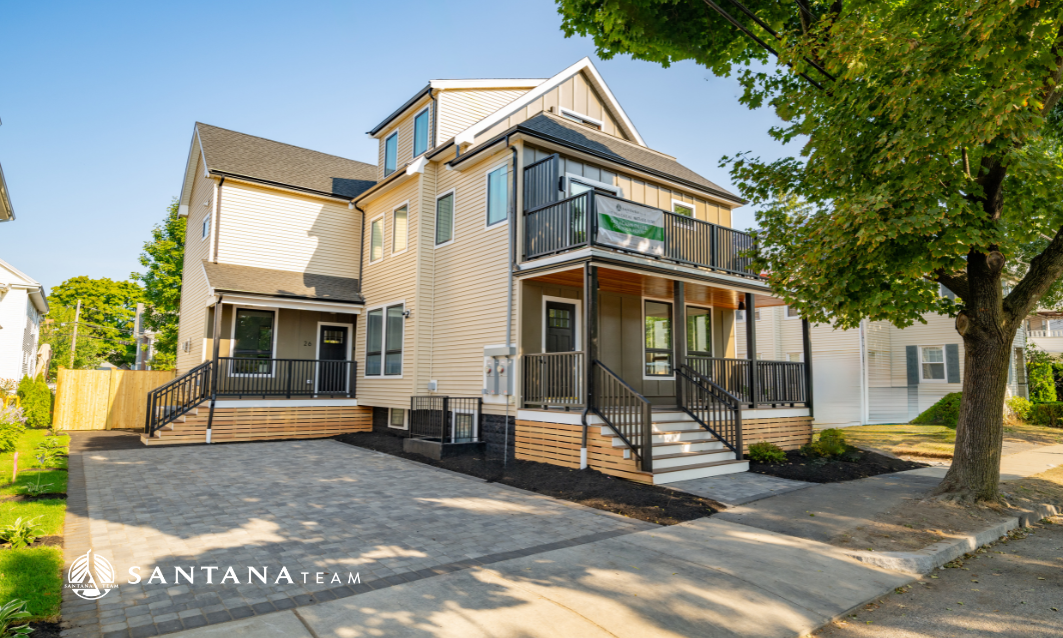
A condo conversion is when a property that used to be one building under one owner (often a 2-family, 3-family, or 4-family) is legally divided into separate condo units. Each unit becomes individually owned, and the owners share responsibility for common areas and building systems (roof, exterior, common entry, and sometimes shared utilities).
Buying into a newly converted condo (typically a 2–4 unit building) is different from buying into an established condo association. The association is new, budgets are estimates, and roles are still forming. This is normal, but buyers should understand how the first year usually works.
Disclaimer: This is general information, not legal advice. Condo documents, lender requirements, and municipal practices vary by property and town. Always review your specific condo documents with your attorney and confirm requirements with your lender.
1) The seller often controls the association until all units are sold
In many new conversions, the seller (often called the declarant) controls the condo association until a defined event occurs. Most commonly, that event is the sale of the final unit. If remaining units take time to sell, early owners may live in the building for months while the seller still has formal control.
Practical takeaway: review the condo documents to confirm exactly when control shifts from the seller to the unit owners.
2) The first buyer is often the trustee for their unit
In small condo conversions, trusteeship is commonly tied to each unit. Often, the first person listed on the deed becomes the trustee for that unit.
- The trustee usually has signing authority for association matters (banking, certain documents, and administrative actions).
- If multiple people are buying together, decide who should be listed first on the deed so the trustee role lands with the right person.
- Other owners can still participate in day-to-day tasks, even if they are not the signer.
3) Early buyers often have more responsibility and more influence
Early buyers are frequently the first active participants in a brand-new association and may become the default organizers once ownership begins transitioning away from the seller.
In limited situations, early buyers may have an opportunity to request clarifications or minor adjustments to condo documents before everything is fully settled and relied upon by lenders and later buyers. This is not guaranteed and should always be handled through attorneys. Once documents are fully recorded and multiple mortgages are involved, changes become much harder and may require broader approvals.
4) Condo fees usually start low and change during the first year
Initial condo fees in new conversions are usually estimates. Developers often keep them low on purpose to avoid locking future owners into services or costs they may not want.
Early condo fees often cover only:
- Master insurance
- Common electric (entry and exterior lighting)
- A basic reserve contribution
They often do not include services like snow removal, landscaping, or routine maintenance. Once owners take control, the association can decide to add services, increase fees, and adjust reserve planning as real costs become clear.
5) Owners can choose professional management, but it adds monthly cost
Many 2–4 unit associations are self-managed because it keeps costs lower and the workload is manageable for many owners. That said, owners can choose to hire a property management company if they want less administrative responsibility.
The tradeoff is a recurring management fee that increases the monthly condo fee. Some owners prefer the convenience. Others prefer to keep costs low and manage the basics themselves.
6) Small associations can be simple, but they can also be fragile
A small association can be easier in the sense that there are fewer people and fewer moving parts. It can also be harder because decision-making and cooperation matter more when there are only two or three owners.
In larger buildings, costs and responsibilities are spread across many owners and management is often professional. In a small conversion, the owners are the management, and one difficult relationship can slow down decisions.
7) Getting along with your neighbors matters
In a small condo conversion, you are entering a shared ownership relationship. You are sharing the roof, exterior, major systems, and financial decisions. Even with solid condo documents, day-to-day cooperation affects how smoothly the association runs.
When possible, a basic conversation with other unit owners before closing can help set expectations. This is not always feasible in competitive markets, but it can reduce uncertainty.
8) Reserves help, even though they are not personal savings
Some small associations choose to split bills as they come. That can work with the right owners, but it creates risk when a large repair comes up.
- Reserves reduce the shock of large repairs.
- Reserves can improve buyer and lender confidence later.
- Reserve funds stay with the association when you sell. They are not refunded to individual owners.
Final takeaway
Buying into a new condo conversion can be a smart move, especially in markets like Somerville. The key is treating the first year as a setup phase and knowing what comes with it: seller control may last until all units sell, trustee roles matter, fees often evolve, and neighbor cooperation is a real part of ownership.
Want help buying into a new condo conversion?
We help buyers understand the first-year realities of new conversions, review the key condo document issues, and spot common friction points early.
Connect with the Santana Team
Santana Team
| Santana Team | Keller Williams Boston Northwest
or another way