

Categories
Homeowner Tips, Team & SeasonalPublished October 2, 2026
Fall Home Maintenance Checklist for Greater Boston Homeowners

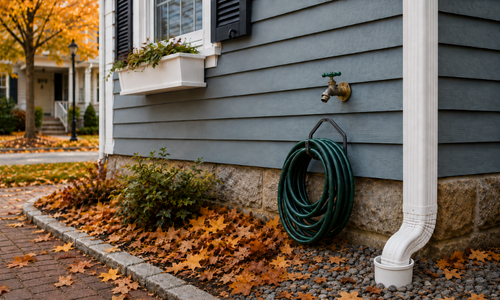
Fall in Greater Boston gives homeowners a useful little window between summer humidity and winter deciding it would like to personally attack your gutters, pipes, roof, and heating bill.
A few preventative tasks in September and October can help catch small problems before freezing temperatures, snow, and ice turn them into much bigger ones.
That matters especially in communities like Somerville, Cambridge, Medford, Arlington, and Boston, where homes range from newer condos to century-old houses with equally old building systems hiding behind renovated kitchens.
Massachusetts also officially considers September 15 through May 31 its residential heating season, making early fall a sensible deadline for getting heating systems ready. For rental properties, state housing regulations also establish minimum indoor temperature requirements during that period. Read the Massachusetts heating requirements.
Greater Boston Fall Maintenance at a Glance
- September 15: Massachusetts residential heating season begins. Test boilers, furnaces, heat pumps, and thermostats before you actually need them.
- Ice dam prevention: Clear gutters and make sure downspouts can carry meltwater away from the house.
- Mass Save upgrades: Eligible homeowners may receive 75% to 100% off approved insulation improvements, no-cost targeted air sealing, and access to 0% HEAT Loan financing up to $25,000.
- Exterior plumbing: Disconnect hoses, drain exterior water lines where appropriate, and protect pipes in unheated areas before freezing temperatures arrive.
What Should Be on Your Fall Home Maintenance Checklist?
Before winter arrives, prioritize these tasks:
- Clean gutters and make sure downspouts are draining properly
- Inspect the roof, flashing, chimney, siding, and exterior trim
- Service your heating system and replace or clean filters
- Look for drafts around windows and exterior doors
- Check attic insulation and signs of air leakage
- Shut off and drain exterior faucets and irrigation lines where appropriate
- Protect vulnerable pipes from freezing
- Trim damaged or vulnerable tree limbs near the house
- Test smoke and carbon monoxide alarms
- Put away or protect seasonal outdoor equipment
If you own a condo in a small two-, three-, or four-unit association, this is also a good time to check your condo documents and coordinate with trustees or other owners about common exterior maintenance. In many Greater Boston condo buildings, roofs, gutters, downspouts, siding, and other exterior components are maintained collectively, although the exact responsibility depends on the condominium documents.
Why Should You Clean Gutters Before Winter?
This is probably the least glamorous item on the list and one of the most useful.
Leaves and debris can block gutters and downspouts just as fall rain starts picking up. Once temperatures drop, trapped water can freeze and contribute to ice dams, roof leaks, and water damage.
The Massachusetts Division of Insurance specifically recommends clearing gutters and maintaining roofs before winter. It notes that ice-dam damage may be covered by homeowners insurance when the damage is sudden, while further damage related to wear, tear, or neglect may not be covered. Review the Division of Insurance winter preparation guidance.
After cleaning the gutters, make sure the downspouts are actually carrying water away from the foundation rather than simply dumping it beside the house.
This is also a good follow-up to our Greater Boston spring home maintenance checklist, when drainage and water intrusion become major concerns again.
What Should You Check on Your Roof and Exterior?
You do not need to climb onto the roof yourself. In fact, please do not turn seasonal maintenance into an unscheduled gravity experiment.
From the ground, look for missing or damaged shingles, loose flashing, deteriorating trim, sagging gutters, chimney issues, damaged siding, or anything that appears to have changed since spring.
Also look at nearby trees. Dead, damaged, or overhanging branches can become a problem once heavy snow and ice arrive.
If something looks questionable, fall is a much better time to bring in a roofer, arborist, mason, or contractor than the morning after a January storm.
When Should You Service Your Heating System?
Do not wait for the first genuinely cold night to discover that the furnace has chosen retirement.
Depending on your system, fall maintenance may include professional servicing, replacing furnace filters, cleaning mini-split filters, checking radiators, confirming thermostats are working properly, or making sure vents and registers are unobstructed.
This is especially important for Massachusetts landlords. During the residential heating season, which runs from September 15 through May 31, the state generally requires residential units to be capable of maintaining at least 68°F between 7:00 a.m. and 11:00 p.m. and 64°F overnight, subject to the applicable housing code. See the current state guidance.
How Can Mass Save Help With Drafts and Insulation?
Older Greater Boston homes have plenty of charm. They also occasionally have windows that appear to maintain diplomatic relations with the outdoors.
Check around windows, exterior doors, attic access points, plumbing penetrations, and other areas where cold air can enter.
Weatherstripping and caulk can address some smaller gaps. If parts of the house are consistently drafty or difficult to heat, the bigger issue may be insulation or air sealing.
That is worth investigating because poor attic insulation and air leakage can contribute not only to heat loss but also to ice dams. Warm interior air can heat the roof deck, melt snow, and allow that water to refreeze near colder roof edges.
For eligible Massachusetts homes, Mass Save currently offers 75% to 100% off approved insulation improvements and no-cost targeted air sealing. Eligible homeowners may also apply for 0% HEAT Loan financing of up to $25,000 toward qualifying improvements.
Eligibility varies, financing is subject to lender approval, and incentives can change, so homeowners should confirm current offers directly with Mass Save. Explore current Mass Save insulation and air-sealing incentives.
How Can You Prevent Frozen Pipes?
Before freezing weather settles in, disconnect garden hoses and shut off exterior water supplies where appropriate.
Drain exterior faucets and irrigation systems when applicable, and pay attention to pipes running through unheated basements, crawlspaces, garages, exterior walls, or other colder areas.
The Massachusetts Division of Insurance recommends insulating and maintaining vulnerable water pipes and shutting off and protecting exterior faucets as part of winter preparation.
A ten-minute task in October is preferable to discovering a burst pipe in February. This is one of those rare instances where procrastination really does send an invoice.
When Should You Check Smoke and Carbon Monoxide Alarms?
With heating systems coming back into regular use, fall is a particularly good time to check your smoke and carbon monoxide alarms.
Massachusetts fire officials recommend testing alarms monthly and checking them when the clocks change each spring and fall. Smoke alarms generally need to be replaced after 10 years. Carbon monoxide alarms typically need replacement after 5, 7, or 10 years, depending on the manufacturer and model.
If your alarms use replaceable alkaline batteries, fall is also a good time to install fresh ones. Newer alarms may instead have sealed long-life batteries. Review Massachusetts smoke and carbon monoxide alarm guidance.
What Fall Maintenance Should Condo Owners Handle?
Condo ownership can make seasonal maintenance a little less obvious because the unit owner is not always responsible for the entire building.
In the two-, three-, and four-unit condo associations common throughout Cambridge, Somerville, Medford, Arlington, and Boston, exterior maintenance may involve several owners rather than a large professionally managed association.
Review your condo documents to determine responsibility for items such as:
- Roofs and flashing
- Gutters and downspouts
- Exterior masonry and siding
- Common plumbing
- Walkways and exterior stairs
- Tree maintenance
- Snow and ice removal
If an issue affects a common element, bring it up early. Coordinating three owners, three schedules, and potentially three opinions is considerably easier in October than during a February roof leak.
What Else Should You Check Around the Property?
Before you declare victory, walk around the entire exterior.
Look for deteriorating caulk, damaged siding or trim, cracks in walkways, loose railings, blocked drains, foundation openings, damaged weatherstripping, or places where water appears to collect.
Also put away or secure outdoor furniture, gardening equipment, hoses, and anything else that does not need to spend a Massachusetts winter outside proving its resilience.
Why Does Fall Maintenance Matter If You Plan to Sell?
Seasonal maintenance is not particularly exciting, but deferred maintenance has a habit of becoming very visible once a home goes on the market.
After helping more than 500 clients across Greater Boston since 2014, our team has seen how seemingly small items can become inspection questions or buyer concerns: signs of water intrusion, aging heating equipment, deteriorated exterior trim, old alarms, roof issues, drainage problems, or evidence that basic maintenance has been deferred.
Our advice to sellers is usually straightforward: do not wait until listing preparation to learn what your house needs.
Taking care of basic maintenance throughout the year gives you more time to evaluate repairs, find the right vendors, and decide what actually needs to be done rather than scrambling a few weeks before photography.
If selling may be part of your plans, you can also check your current home value as part of the planning process.
A Local Fall Reward: Middlesex Fells
Once the gutters are clear and the furnace has survived its annual interrogation, there should be some reward for responsible homeownership.
Middlesex Fells Reservation, stretching through communities just north of Boston, is one of the region's classic fall escapes. Massachusetts DCR specifically highlights the Fells during fall foliage season, with trails ranging from easier walks to more challenging routes.
It is an easy way to enjoy the part of New England fall that does not involve ladders, filters, or shutoff valves.
Need a Trusted Greater Boston Home Professional?
One of the advantages of working in Greater Boston real estate every day is building a very long contact list.
If your fall walkthrough uncovers something and you are not sure who to call, the Santana Team can help point you toward trusted local professionals we have worked with across Greater Boston.
If home maintenance is part of a bigger conversation about preparing to sell, buy, renovate, or invest, our full team is available to help you think through what deserves attention now, what can wait, and how it fits into your longer-term real estate plans.
Maintenance recommendations, Mass Save incentives, insurance coverage, and Massachusetts regulations can change over time. Homeowners should confirm current requirements and program eligibility and consult qualified professionals when appropriate. Insurance coverage depends on the terms and conditions of the individual policy.

Santana Team
| Santana Team | Keller Williams Boston Northwest
or another way