

Categories
Homeowner Tips, Home MaintenancePublished October 28, 2026
Get Your Greater Boston Home Ready for Winter

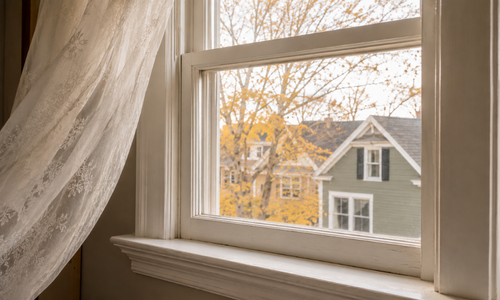
Winter in Greater Boston has a way of finding the weak spots in a house.
A pipe along an exterior wall that has been fine for years can freeze during a cold snap. Leaves left in a gutter can contribute to drainage problems once snow and ice arrive. A drafty attic can make the heating system work harder and contribute to ice dams. And the boiler you meant to have serviced can, naturally, decide that the coldest Saturday in January is its preferred moment for attention.
That is why late October is a good time to give your home a once-over.
Greater Boston Winter Prep: Quick Numbers
- 48.6%: The share of Massachusetts homeowners' insurance claims in 2024 involving non-flood water losses and freezing-related damage, according to the Massachusetts Division of Insurance.
- Up to 15%: The potential reduction in heating and cooling costs from insulation and air sealing, according to Mass Save.
- Late October: A practical time to tackle heating-system service, exterior plumbing prep, gutter cleaning, draft reduction, and other winter maintenance before freezing weather becomes routine.
A little preventative maintenance now can help reduce the chances of dealing with a much bigger problem later.
Your Greater Boston Winter Home Maintenance Checklist
1. Have Your Heating System Checked
Do not wait until the first truly cold night to discover that something is wrong with your heat.
If your home has a boiler, furnace, heat pump, or other heating system, fall is a good time to make sure it is operating properly. Mass Save recommends annual HVAC tune-ups, along with regularly checking and replacing filters on systems that use them.
For Greater Boston homeowners, the type of system matters. We regularly see everything from older steam and hot-water radiator systems to newer high-efficiency boilers, forced-air systems, and ductless heat pumps in homes throughout Somerville, Cambridge, Arlington, Medford, and Boston.
In older two-family homes and triple-deckers, it is also common to find heating equipment serving different units from a shared basement mechanical area. If you have steam radiators, check for obvious leaks, damaged valves, or air vents that are not working properly. Persistent banging, uneven heat, or other changes in performance are worth having a heating professional investigate.
If you have a combustion heating system or use a fireplace, this is also the time to make sure the appropriate equipment and chimney have been professionally inspected.
2. How Do You Prevent Frozen Pipes in a Greater Boston Home?
Frozen pipes are one of the most preventable, and potentially expensive, winter problems.
Walk through your basement, garage, utility spaces, rear additions, enclosed porches, and other colder parts of the house and look for water lines that run near exterior walls or outside the home's insulated envelope.
This deserves particular attention in older Greater Boston housing, where plumbing may have been added or rerouted during decades of renovations.
Before freezing weather arrives:
- Disconnect garden hoses.
- Shut off and drain exterior hose bibs or spigots when your plumbing setup allows it.
- Cover exterior faucets as appropriate.
- Check exposed pipes in unheated areas.
- Insulate vulnerable water lines where appropriate.
- Make sure everyone in the household knows where the main water shutoff is.
Massachusetts officials specifically recommend insulating and maintaining pipes and shutting off and covering exterior faucets before freezing conditions. You can review additional winter-weather preparation guidance from the Commonwealth of Massachusetts.
Knowing where your water shutoff is may be the least glamorous five minutes you spend on your house this fall. It may also become extremely important someday.
3. Clean the Gutters After the Leaves Come Down
Timing matters here. Cleaning the gutters while half the leaves are still on the trees simply gives you the privilege of doing it twice.
Once most of the leaves have fallen, clear gutters and downspouts and make sure water can move away from the house.
While you are outside, look for:
- Loose or damaged gutters
- Downspouts that are disconnected or clogged
- Water being discharged directly beside the foundation
- Visible roof damage
- Loose flashing
- Tree limbs hanging over the house
The Massachusetts Division of Insurance recommends keeping roofs and gutters maintained because blocked drainage can contribute to winter damage, including ice dams.
This is especially worth checking on homes with older rooflines, additions, porches, dormers, or multiple roof surfaces where snowmelt may collect or drain unevenly.
4. Check for Drafts and Heat Loss
Greater Boston has an incredible collection of older homes. Those original details can be beautiful. The 100-year-old gap around a window sash is somewhat less charming when cold air is blowing through it in February.
Check around windows, exterior doors, attic access points, plumbing penetrations, recessed lighting, and other places where outside air may be entering.
Simple fixes such as weatherstripping and air sealing can make rooms more comfortable and reduce the amount of work your heating system has to do.
Mass Save reports that insulation and air-sealing improvements can reduce heating and cooling costs by up to 15%. They may also help reduce the likelihood of frozen pipes and ice dams by keeping heat where it belongs.
Massachusetts homeowners can also explore a Mass Save Home Energy Assessment to identify insulation and air-sealing opportunities and determine whether their home qualifies for current incentives.
5. Test Smoke and Carbon Monoxide Alarms
Once the heat comes on, carbon monoxide safety becomes especially important.
The Massachusetts Department of Fire Services recommends working smoke and carbon monoxide alarms on every level of the home and carbon monoxide protection outside sleeping areas. Heating equipment and chimneys should also be properly maintained. You can review the state's winter home heating safety guidance for additional information.
Replace batteries when needed and check the age of the alarms themselves. Smoke and carbon monoxide detectors do not last forever.
If your home has exterior heating vents or exhaust pipes, remember where they are. During heavy snow, those openings need to remain clear.
6. Look Around the Basement Before Winter
Basements deserve their own inspection, particularly in older Greater Boston homes.
Whether you have a single-family home, a two-family, or a triple-decker with an older fieldstone or masonry foundation, look for signs of moisture around foundation walls, plumbing connections, bulkheads, basement windows, sump pumps, and areas where utilities enter the home.
If you have a sump pump, test it.
If you notice staining or evidence of previous water entry, figuring out where that water is coming from before the ground freezes is generally preferable to rediscovering the problem during a winter storm.
Also check where your gutters and downspouts discharge outside. Water management usually works best when the water is directed away from the foundation instead of politely delivered straight to it.
7. Get the Snow Gear Out Before You Need It
Find the shovel. Test the snowblower. Locate the ice melt. Check the roof rake if you use one.
Do this now rather than while standing in six inches of snow wondering which mysterious corner of the garage swallowed everything last April.
If you are responsible for clearing a sidewalk, familiarize yourself with your city or town's current snow-removal requirements. Rules and deadlines vary by municipality.
If your home has a particularly complicated roof, flat roof, older structure, or history of ice dams, talk with a qualified professional about the safest way to manage snow and ice. Climbing onto an icy roof should not become a DIY winter hobby.
8. Make a Plan for Cold Snaps and Winter Travel
If you leave Greater Boston during the winter, do not simply turn the heat off.
The Massachusetts Division of Insurance notes that coverage for damage from burst pipes can depend on whether a home was adequately heated and properly maintained.
Before an extended trip, consider:
- Keeping the home adequately heated.
- Having someone periodically check the property.
- Using temperature or water-leak sensors.
- Confirming how your plumbing should be handled if the house will be vacant.
- Making sure heating-fuel deliveries are scheduled if applicable.
During periods of extreme cold, pay particular attention to plumbing located along exterior walls, in unfinished basements, enclosed porches, garages, and other colder areas of the house.
A Local Stop for Winter-Prep Supplies
For homeowners near Arlington, Shattuck Heights Hardware at 1298 Massachusetts Avenue is one of those wonderfully practical neighborhood hardware stores where you can pick up things like weatherstripping, plumbing supplies, tools, and other small winter-prep necessities without turning the errand into an expedition through a giant home-improvement warehouse.
It is also exactly the kind of local resource that comes in handy when you are standing there holding a strangely shaped piece of 80-year-old house hardware and asking, "What is this and why does my house have it?"
Thinking About Selling Next Spring? Start Now.
Winter maintenance is not only about making it through the cold months. It can also make preparing a home for sale much easier.
When we walk through Greater Boston homes with sellers, we often pay attention to the same issues buyers and home inspectors are likely to notice later: evidence of leaks, aging mechanical systems, damaged gutters, moisture in basements, deteriorated exterior components, and deferred maintenance.
Taking care of those items as they arise gives you more time and more control than discovering several of them at once while getting ready to list.
The Santana Team has helped more than 500 clients across Greater Boston since 2014. Our approach is not to recommend doing every possible project. It is to help homeowners understand which issues actually deserve attention, which improvements may matter to buyers, and where spending money may not make sense.
Considering a Move in the Coming Year?
If selling your Greater Boston home may be part of your plans, you do not have to wait until spring to start preparing. Understanding your home's current value and what may be worth addressing now can make the process much more manageable later.
Home-maintenance recommendations, incentive programs, municipal requirements, and insurance policies can change over time. Consult the appropriate professional, municipality, insurer, or program for guidance specific to your property.

Santana Team
| Santana Team | Keller Williams Boston Northwest
or another way