

Categories
Homeowner Tips, Team & SeasonalPublished September 13, 2026
Massachusetts Heating Season Starts September 15: What Greater Boston Property Owners Need to Know

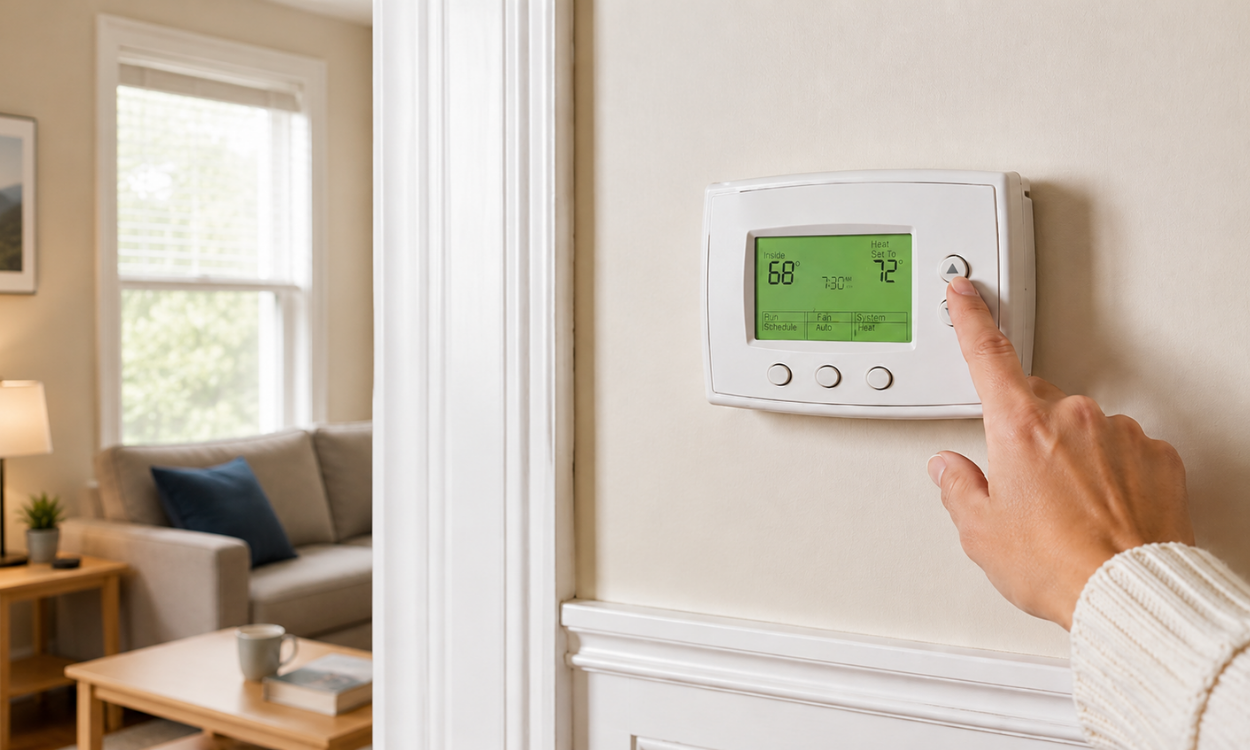
September in Massachusetts can be unpredictable. One day it feels like summer, and a few days later you are wondering whether it is finally time to turn the heat back on.
For property owners, though, there is an actual date to know: September 15 marks the start of the Massachusetts residential heating season.
Under the Massachusetts State Sanitary Code, residential properties must meet minimum temperature requirements during heating season. That matters especially for landlords and owners of rental or investment properties throughout Greater Boston, but it is also a useful annual reminder for homeowners to make sure their heating systems are ready before colder weather arrives.
Massachusetts Heating Season at a Glance
- Season: September 15 through May 31. A local Board of Health may adjust the dates within limits based on predicted temperatures.
- Minimum temperatures: 68°F from 7:00 a.m. to 11:00 p.m. and 64°F from 11:01 p.m. to 6:59 a.m.
- Maximum: The heating system cannot cause the temperature in a room to exceed 78°F.
What Does Massachusetts Heating Season Actually Mean?
The September 15 date does not mean every Massachusetts homeowner needs to switch on the boiler at midnight and start heating the house regardless of the weather.
The rule is about the temperature inside the home.
During heating season, residential properties must maintain at least 68°F in habitable rooms and bathrooms between 7:00 a.m. and 11:00 p.m., and at least 64°F overnight from 11:01 p.m. through 6:59 a.m.
So if Greater Boston gets one of those 78-degree September afternoons, the heat does not need to be running. The property simply needs to remain within the required temperature range.
You can review the current requirements through the Massachusetts guidance on residential heating and the Massachusetts State Sanitary Code.
Can a City or Town Change the September 15 Start Date?
Yes, within limits.
Under 105 CMR 410.180, a local Board of Health can alter the heating season for residences in that municipality based on predicted temperatures. It can postpone the fall start date from September 15, but not beyond September 30. In the spring, it can end the heating season before May 31, but not earlier than May 15.
That means September 15 is the standard statewide start unless the local Board of Health has officially announced an adjustment.
What Are Massachusetts Landlords Required to Provide?
Massachusetts housing regulations require property owners to provide and maintain an adequate heating system for residential properties. Depending on the written rental agreement, an occupant may be responsible for purchasing the fuel, but the required heating system itself still needs to be properly installed and maintained.
A portable electric space heater is not considered an acceptable substitute for the required heating system. The State Sanitary Code also specifies that fireplaces and wood or pellet stoves do not satisfy the heating-system requirement on their own.
For landlords, especially owners of older multifamily properties around Somerville, Cambridge, Arlington, Medford, Boston, and the surrounding communities, September is a good time to confirm the system is working rather than discovering a problem during the first cold night.
The Massachusetts Heating Season Changed in 2023
If you remember heating season ending on June 15, you are not imagining it.
Massachusetts revised the State Sanitary Code in 2023 and changed the standard end of residential heating season from June 15 to May 31.
The current standard is September 15 through May 31.
This distinction is worth knowing because some older webpages and resources may still reference the previous June 15 date. When checking heating requirements, make sure you are looking at the current version of 105 CMR 410.180 or current guidance from the Commonwealth and your local Board of Health.
A September Heating Checklist for Greater Boston Property Owners
You do not have to turn September into a full winterization project yet. There are, however, a few things worth checking before temperatures start dropping.
1. Test the Heating System
Turn the system on before you actually need it.
Greater Boston homes have a remarkably varied collection of heating systems. You may find steam radiators in older Cambridge and Somerville multifamilies and triple-deckers, hydronic baseboards, gas or oil-fired boilers and furnaces, newer ducted systems, or ductless mini-splits and heat pumps.
Whatever the setup, make sure the system responds properly and that heat reaches each part of the property. If there are multiple thermostats or heating zones, test them individually.
2. Schedule Service Before the First Cold Stretch
If the system is due for annual maintenance, September is a much better time to discover an issue than the first genuinely cold weekend of the year.
For rental properties, keep the contact information for your heating contractor readily available in case a tenant reports a problem.
3. Check Thermostats and Zone Controls
Confirm that thermostats are working, programmed correctly, and communicating with the heating system.
This can be particularly important in older Greater Boston properties that have been expanded or renovated over time. Additions, finished upper floors, condo conversions, and multifamily buildings may have multiple heating zones or even different types of equipment serving different parts of the property.
4. Check Fuel Levels and Delivery Plans
If the property uses heating oil or another delivered fuel, confirm the supply and delivery arrangements before heating demand picks up.
Running out of fuel in January is an impressively efficient way to turn a routine maintenance item into an emergency.
5. Make Sure Tenants Know How the System Works
If you own a rental property, tenants should know how to operate the thermostat and who to contact if the heat is not functioning properly.
A simple reminder at the beginning of heating season can also uncover smaller maintenance problems before they become after-hours calls.
6. Think Ahead if the System Is Nearing the End of Its Life
If your boiler, furnace, or other major equipment is getting older, heating season can be a useful time to start researching replacement options before you are forced into an emergency decision.
Massachusetts homeowners considering heat pumps can also review current programs, rebates, and financing through Mass Save's heat pump resources. Available programs and eligibility requirements can change, so check the current terms before planning an upgrade.
What Should a Tenant Do if Their Massachusetts Apartment Does Not Have Enough Heat?
Q: What should I do if my apartment is below the Massachusetts minimum heating temperature?
A: Start by notifying the property owner, landlord, or property manager and reporting the heating problem. If the problem is not resolved, Massachusetts regulations give occupants the right to request an inspection for a lack-of-heat complaint. Local Boards of Health are responsible for enforcing the State Sanitary Code.
Because procedures and contact information differ by municipality, tenants should check the current guidance from their city or town.
Q: Can a Massachusetts landlord just give a tenant a space heater?
A: A portable electric space heater does not satisfy the State Sanitary Code requirement for an adequate heating system. Space heaters may have supplemental uses, but they are not a substitute for the property's required heating system.
Q: Does a landlord have to keep an apartment at 68°F all night?
A: No. During residential heating season, the minimum is 68°F from 7:00 a.m. through 11:00 p.m. and 64°F from 11:01 p.m. through 6:59 a.m.
Heating Systems Matter When Buying a Greater Boston Home, Too
Heating season is also a useful reminder for buyers.
Greater Boston's housing stock includes everything from new high-efficiency systems and heat pumps to century-old homes with steam radiators and properties where several generations of heating equipment coexist under one roof.
When we walk through a property with a buyer, the question is not simply, "Does it have heat?"
We also want to understand:
- What type of heating system is installed?
- How old is the major equipment?
- Are there multiple heating zones?
- Which areas of the property does each system serve?
- Has the equipment been maintained or recently replaced?
- Does the setup make sense for how the buyer plans to use the property?
Those details can affect maintenance, energy costs, renovation plans, and the overall cost of owning the home.
If you are preparing to buy, our Greater Boston home buying process explains how the Santana Team helps buyers evaluate properties, coordinate inspections, and make informed decisions beyond simply choosing a listing.
What Heating Season Means for Greater Boston Investors
For an investor evaluating a multifamily or rental property, the heating setup can be part of the financial analysis as well.
An older shared boiler, separately metered systems, aging equipment, or a planned conversion to heat pumps can affect operating costs and future capital improvements. It is another reason we encourage investors to evaluate the physical property alongside projected rents, renovation costs, and resale potential.
Since 2014, the Santana Team has worked with 56 investors and builders on 111 projects representing 385 units and more than $483 million in sales across 25 Massachusetts communities. Our investment team helps clients evaluate opportunities from acquisition through construction and resale.
Learn more about our Greater Boston real estate investment services.
One More Reason to Enjoy September While It Lasts
Heating season technically starts while Greater Boston can still feel very much like summer, which is exactly why September is such a useful month for preventative maintenance.
It is also one of the better times to enjoy the area before colder weather settles in. Robbins Farm Park in Arlington is a great local stop for a September walk and a view toward the Boston skyline, preferably before our collective relationship with thermostats becomes much more serious.
Preparing for Another Greater Boston Heating Season
September 15 is not a reason to panic about winter. It is simply a useful deadline.
For landlords, it marks the beginning of Massachusetts residential temperature requirements. For homeowners, it is a reminder to test the heating system while there is still time to address maintenance comfortably. And for buyers and investors, the heating setup is one more piece of understanding a property's condition, operating costs, and future needs.
Since 2014, the Santana Team has helped more than 1,600 clients navigate real estate across Greater Boston. Our clients have a full team available throughout the process, whether they are buying their first home, selling a longtime property, or evaluating their next investment.
Information in this article is intended as a general resource and is not legal advice. Massachusetts regulations, local Board of Health notices, incentive programs, and other time-sensitive information can change. Property owners and tenants should confirm current requirements with the Commonwealth of Massachusetts and their local municipality.

Santana Team
| Santana Team | Keller Williams Boston Northwest
or another way