

Categories
Home Buying TipsPublished November 14, 2026
What Massachusetts Question 7 Means for Greater Boston Homeowners

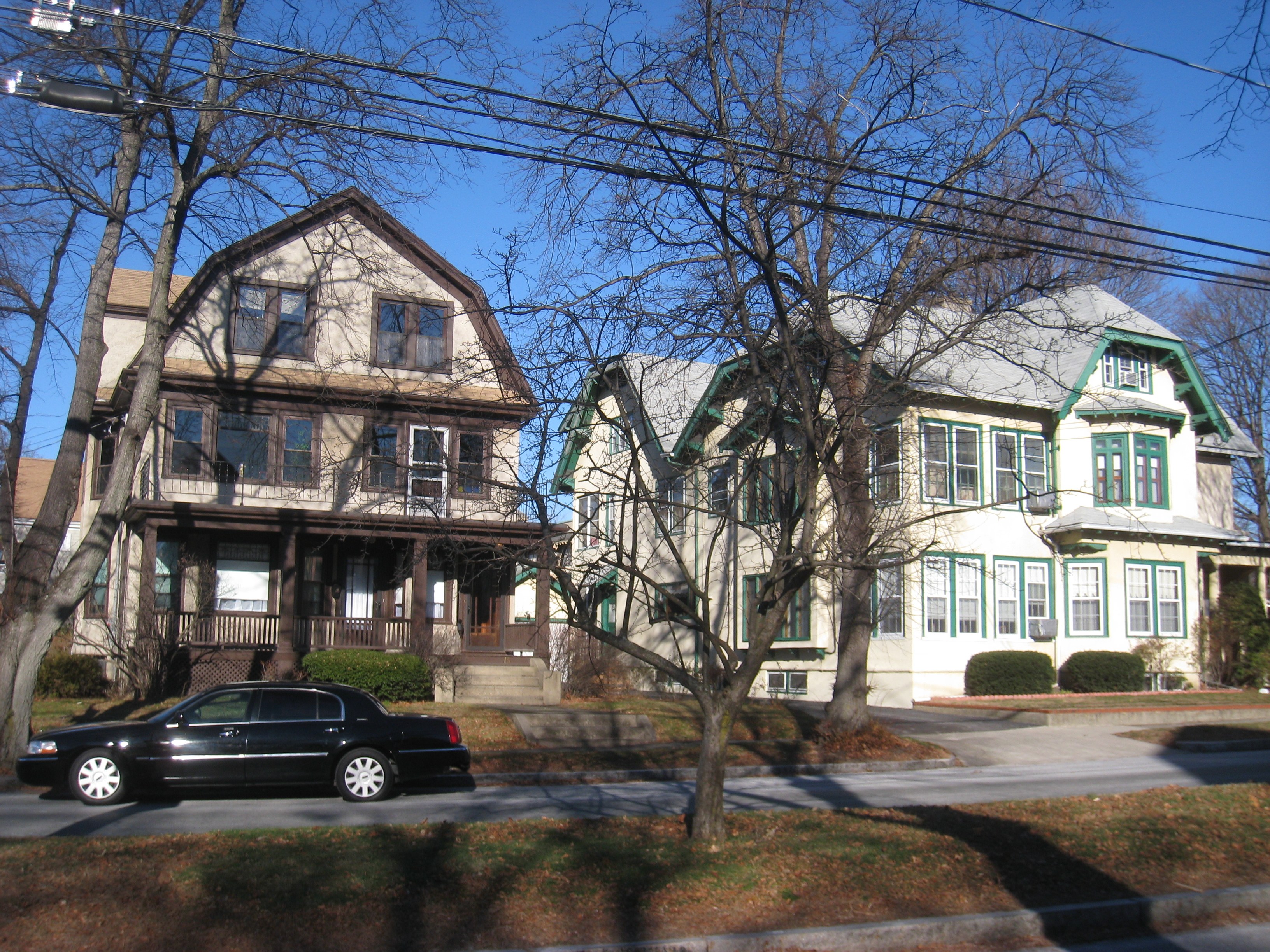
Massachusetts Question 7 was a statewide vote, so it reached every city and town in Greater Boston, from Somerville and Cambridge to Wellesley and Weston. It asked whether communities would have to allow single-family homes on smaller lots than many local zoning rules require. Voters narrowly rejected it. If you own a home here, or you are thinking about buying or selling, the practical question is simpler: what, if anything, does that change on your street?
The short answer is that it depends on the town. Lot-size rules vary widely across Greater Boston. Some cities already allow a single-family home on 5,000 square feet or less, while some suburbs require two, four, or even twelve times that. Below, we walk through Somerville, Cambridge, Arlington, and Medford in detail, then look at several suburbs where larger minimums meant a yes vote would have mattered more. A no vote leaves all of those local rules in place.
What did Question 7 actually propose?
On the November 3, 2026 statewide ballot, Question 7 asked whether Massachusetts should require cities and towns to allow a single-family home on a residentially zoned lot that meets three conditions:
- at least 5,000 square feet of land
- at least 50 feet of frontage along a street or public way
- access to public water and public sewer
Cities and towns would still have been able to set reasonable rules on height, setbacks, open space, parking, and short-term rentals. A qualifying single-family home would not have needed a special permit. The proposal would not have changed the rules for two-family or multifamily buildings, and it would not have applied to lots that rely on a private well or a septic system.
A yes vote would have made that change. A no vote, in the official language from the Attorney General and the Secretary of the Commonwealth, "would make no change to the law relative to building single-family homes."
Unofficial results, reported after the Associated Press called the race on November 6, showed a narrow statewide no, about 50.6 percent to 49.4 percent. Results varied by community, and voters in Somerville, Cambridge, Arlington, and Medford supported the measure. Because cities and towns across Greater Boston already treat lot size so differently, the effect of either outcome was never going to be the same everywhere.
You can read the official summary and full text on the Secretary of the Commonwealth's Question 7 page.
If it had passed, what might have changed?
It would not have meant a wave of new houses appearing all at once, and it would not have guaranteed lower prices. It would have created a statewide rule: if a lot in a residential district met those size, frontage, and utility tests, the city or town could not use a larger minimum lot size to block a single-family home.
Any new house would still have needed to meet local setback, height, and open-space rules, plus building codes and the usual practical tests. That includes whether the lot can actually be built on and whether someone is prepared to build. In towns that already allow single-family homes on lots of 5,000 square feet or smaller, day-to-day rules would likely have looked much the same. In places with larger minimums, more lots might have qualified for a single-family home or, in some cases, a division of a larger lot, if the other conditions were met.
How would that have looked in Somerville, Cambridge, Arlington, and Medford?
Somerville
Somerville already rebuilt its zoning around building types, lot width, setbacks, and how a house sits on the street, rather than around large minimum lot areas. In the Neighborhood Residence districts, the ordinance focuses on standards such as lot width and building placement. A yes vote would likely have changed little for a typical Somerville single-family lot, because the city was not relying on a 6,000 or 9,000 square foot minimum the way many suburbs do.
Cambridge
Cambridge went further on its own. On February 10, 2025, the City Council removed minimum lot size, unit caps, and floor-area limits for housing, and allowed multifamily housing in residential neighborhoods citywide. Question 7 was only about single-family lot size, so it would not have loosened Cambridge's lot-size rules. Those 2025 changes remain in place either way. The 5,000 square foot figure that appears in Cambridge's current zoning is a threshold for additional height on certain inclusionary projects, not a minimum lot size for a single-family house.
The city's summary of those amendments is on the Cambridge Community Development Department zoning page.
Arlington
This is where a yes vote would have been most noticeable among the four towns. Arlington's current zoning bylaw, including amendments through the April 27, 2026 Annual Town Meeting, still sets larger minimums in the districts that cover most single-family streets:
- R0: 9,000 square feet and 75 feet of frontage
- R1 and R2: 6,000 square feet and 60 feet of frontage
Some other residential districts, including R3 and R6, already allow a single-family home on a 5,000 square foot lot. The town also has a few narrow exceptions for certain older lots. If Question 7 had passed, a qualifying lot of at least 5,000 square feet, with at least 50 feet of frontage and public water and sewer, could have been used for a single-family home even in districts where the general minimum is larger. Setbacks, height, and open-space rules would still have applied.
Medford
Medford already sits close to the 5,000 square foot line in much of the city. Under the current dimensional table, a detached single-family home needs 7,000 square feet in the SF-1 district and 5,000 square feet in other districts, with 35 feet of frontage in both cases. A yes vote would have mattered most in SF-1, where the general minimum is larger than 5,000 square feet. In districts that already use a 5,000 square foot minimum, lot size would have stayed about the same.
Medford has also been working on a broader residential zoning update. A 2025 proposal was later withdrawn, and the current lot-size rules remain in effect. That local process is separate from Question 7. The city's zoning update page is here.
Where would larger lot minimums have mattered most?
Outside the inner core, many Greater Boston suburbs set single-family minimums well above 5,000 square feet, often with 100 feet or more of frontage. These are the places where a yes vote would have changed the most on paper. Here is what the current rules say in four of them, based on each community's own zoning bylaw or ordinance.
Wellesley
Wellesley sets single-family minimums by area district: 10,000, 15,000, 20,000, 30,000, or 40,000 square feet. For lots recorded or endorsed on or after April 8, 1997, minimum frontage runs from 90 feet in the 10,000 square foot district to 200 feet in the 40,000 square foot district, and older lots follow earlier frontage standards. Under Question 7, a lot with at least 5,000 square feet, 50 feet of frontage, and public water and sewer could have qualified for a single-family home even in those larger districts, still subject to Wellesley's setback, height, and other local rules.
Weston
Weston has four single-family residence districts. District A requires 60,000 square feet and 250 feet of frontage, District B 40,000 square feet and 200 feet, District C 30,000 square feet and 175 feet, and District D 20,000 square feet and 150 feet. Lots shown on plans endorsed or deeded before May 13, 1997 can meet somewhat lower frontage standards. In Weston, as everywhere, Question 7 would only have applied to lots with both public water and public sewer, so a lot's utility connections would have been the first thing to check.
Lexington
Lexington's two one-family districts set a 30,000 square foot minimum with 150 feet of frontage in RO and a 15,500 square foot minimum with 125 feet of frontage in RS. That means a lot somewhere between 5,000 square feet and the local minimum could have qualified for a single-family home under Question 7, if it also met the frontage and utility tests.
Newton
Newton uses two sets of standards in its single residence districts, depending on when a lot was created. For lots created on or after December 7, 1953, the minimums are 25,000 square feet and 140 feet of frontage in SR1, 15,000 square feet and 100 feet in SR2, and 10,000 square feet and 80 feet in SR3. Older lots have lower minimums, down to 7,000 square feet and 70 feet of frontage in SR3. Even the smallest of those is above the 5,000 square foot line in Question 7.
In all four communities, the no vote leaves these minimums in place. Zoning bylaws and ordinances are amended by town meeting or city council, so check the current version for any specific property before making plans.
Since it did not pass, what does that mean now?
Local zoning stays in place. If you already own a home anywhere in Greater Boston, the no vote does not change what you can do with your property today. If you are buying, selling, or thinking about adding a house or dividing a lot, the answer still comes from the city or town's current ordinance, the zoning district, and the specific lot, not from a new statewide rule.
In practical terms, this vote alone will not loosen the Greater Boston housing market or create a sudden supply of new single-family homes, whether in Somerville or in Wellesley. Future changes are still possible, but they would come through each community's own zoning process, the way Cambridge's 2025 amendments did, and the way Medford's zoning discussion is still unfolding.
What should you do if you are buying, selling, or thinking about a lot?
The useful question is not how the statewide vote went. It is what the current rules allow on the property in front of you. Two houses a few blocks apart, or in two different towns, can have very different options. That is especially true in Arlington, Medford, and suburbs such as Wellesley, Weston, Lexington, and Newton, where the minimum lot size changes by district, and in Cambridge and Somerville, where recent local zoning already allows more than a single-family house on many lots.
If you are weighing a purchase, a sale, or a project anywhere in Greater Boston, we can help you think through the current rules and what they may mean for your plans. The Santana Team has helped buyers and sellers through more than 1,700 closings across the region, and we look at this on a property-by-property basis. Zoning, permitting, and market conditions can change, so it is always wise to confirm the current requirements with the city or town before you make a decision.
Quick questions
Does the no vote change what I can build on my lot?
No. The official effect of a no vote was to leave the law as it was. Your options still depend on local zoning and the specifics of your property.
Will this affect home prices in Greater Boston?
The vote itself does not change inventory or prices. Any later effect on the local housing market would have come only if new homes were actually built under a new statewide rule. That rule did not take effect.
Are lot-size rules the same across Greater Boston?
No. Cambridge and Somerville already use local rules that are more flexible on lot size than Arlington's main single-family districts. Medford is in between, with a 5,000 square foot minimum in many districts and a 7,000 square foot minimum in SF-1. Many suburbs set much larger minimums, such as 10,000 to 40,000 square feet in Wellesley and 20,000 to 60,000 square feet in Weston.
Did Question 7 apply to lots on septic systems?
No. The proposal only covered lots with access to public water and public sewer. Lots that rely on a private well or a septic system would have stayed under local rules either way.

Santana Team
| Santana Team | Keller Williams Boston Northwest
or another way