

Published April 24, 2026
Vacant vs. Occupied Staging: What Your Greater Boston Home Actually Needs to Sell

Not All Staging Is the Same
When selling a home in Greater Boston, staging isn’t just about making it look nice. It’s about helping buyers understand the space and picture themselves living there.
Most sellers don’t realize there are two completely different approaches: staging a vacant home and preparing a home you’re still living in. Choosing the right one can directly impact how quickly your home sells and the offers you receive.
| Feature | Vacant Staging | Occupied Staging |
|---|---|---|
| Primary Approach | Bringing in curated furniture and decor | Editing and rearranging what’s already there |
| Goal | Define layout, scale, and flow | Create a clean, neutral, easy-to-read space |
| Best For | Empty homes or new construction | Homes where sellers are still living in the space |
| Impact | Adds warmth and helps buyers visualize | Highlights space, storage, and functionality |
Vacant Home Staging: Creating the Full Picture
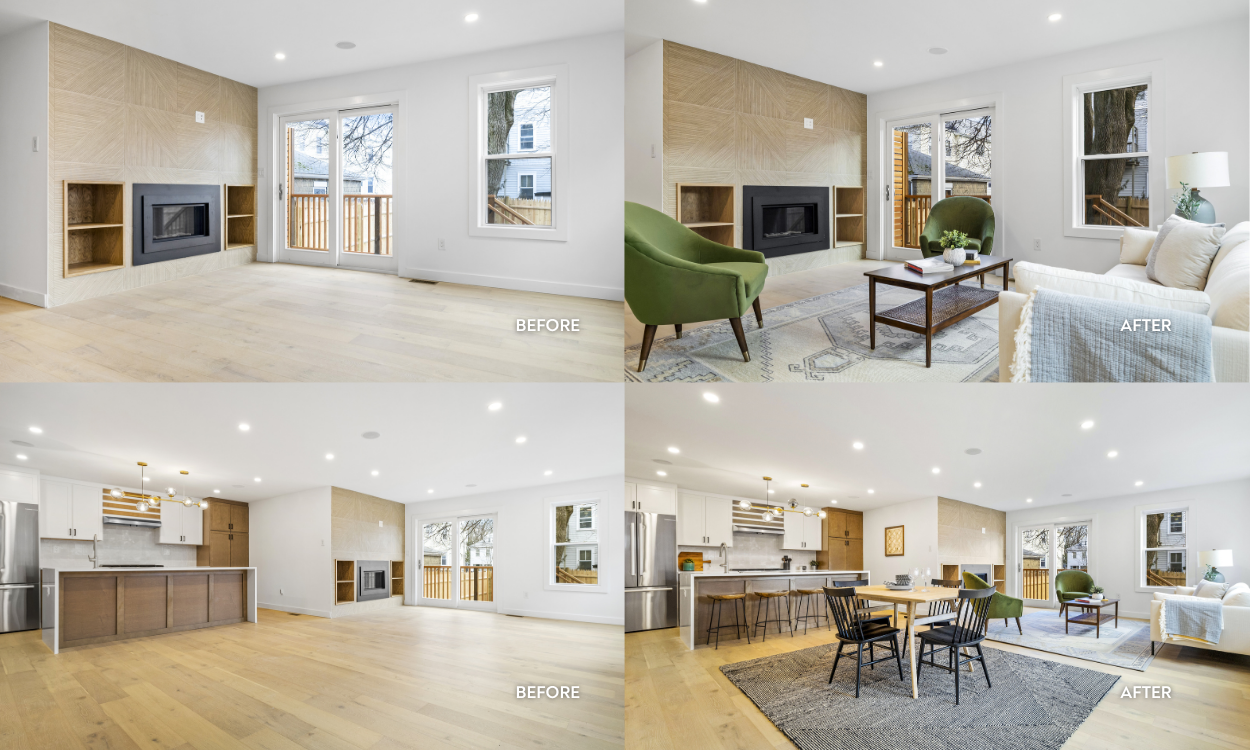
When a home is vacant, buyers are walking into a blank space with no context. While that might seem like a clean slate, it often has the opposite effect. Empty rooms can feel smaller, colder, and harder to understand.
That’s where full staging comes in. This means bringing in furniture, rugs, artwork, and accessories to define each space and create a clear, intentional layout.
A good stager isn’t just filling a room. They’re thinking about scale, flow, and how the space will feel both in photos and in person. You might walk through a staged home and think the furniture looks smaller than what you would personally choose. That’s intentional. Using the right scale helps rooms feel larger and more open.
Save the oversized sectional for your next home. In a staged property, every piece is selected to highlight the space, not dominate it.
According to industry data, staging can make a measurable difference. Many agents report that staging can increase offers by 1% to 10% and significantly reduce time on market, while also helping buyers better visualize the space.
Occupied Home Staging: Editing, Not Decorating
This is where most sellers are surprised.
If you’re still living in your home, staging doesn’t mean adding more. It usually means removing, simplifying, and reworking what’s already there.
In many cases, we’re asking sellers to temporarily live in a more minimal version of their home so that buyers can clearly see the space.
What This Actually Looks Like
Based on real staging plans we create for our listings, this often includes:
- Removing smaller furniture pieces to improve flow between rooms
- Nearly completely clearing kitchen counters, including appliances and everyday items
- Taking down personal photos and decor
- Repositioning or removing furniture to define each room’s purpose better
- Clearing out closets, storage areas, and sections of pantries
- Removing pet items, seasonal decor, and excess belongings
It can feel like a lot, and in some ways, it is. But there’s a clear reason behind it.
The Goal: Help Buyers See Themselves, Not You
Your home has been a reflection of your life, your style, and what makes you comfortable. When you’re preparing to sell, we shift that focus.
We’re not trying to erase your personality, but we are trying to remove anything that might make it harder for a buyer to picture themselves in the space. That can include things like highly specific decor, bold or personal artwork, or items that draw attention away from the home itself.
The goal is to make the home feel neutral, open, and easy for someone else to step into mentally. In a sense, we’re transitioning it from being your home back into a house that can belong to someone new.
Choosing the Right Approach
The key isn’t just staging. It’s choosing the right type of staging for your specific home.
- Vacant homes typically benefit from full staging to create warmth, scale, and function
- Occupied homes benefit from strategic editing and layout adjustments to highlight the space
In both cases, the goal is the same: help buyers quickly understand the home and see its full potential.
How We Approach Staging
We also make this process easier for our clients by building staging into our approach from the start. Every seller we work with receives a staging consultation, where Liz and your agent walk through the home with you to create a clear, personalized plan.
For homes that benefit from full staging, we offer vacant staging at a discounted rate through our in-house stager, Liz, and her team. This gives our clients flexibility and a more streamlined experience, without needing to coordinate with multiple vendors or navigate additional third-party fees.
Staging isn’t a one-size-fits-all checklist. Every home requires a slightly different strategy based on its layout, condition, and target buyer.
This spring, we’ve helped sellers prepare homes across Somerville, Cambridge, Medford, and Arlington, with multiple properties going under agreement in the first weekend. That doesn’t happen by chance. It comes from thoughtful preparation, clear strategy, and making sure each home is presented in the strongest possible light from day one.
Thinking About Selling?
Wondering what your home actually needs to stand out in today’s market? Connect with our team for a personalized staging strategy and next steps.
Note: Market conditions and buyer behavior can change over time. Data referenced is based on industry reports and recent local market activity.

Santana Team
| Santana Team | Keller Williams Boston Northwest
or another way