

Categories
Home Buying TipsPublished November 5, 2026
Is Your Condo Warrantable? What Greater Boston Buyers and Sellers Should Know

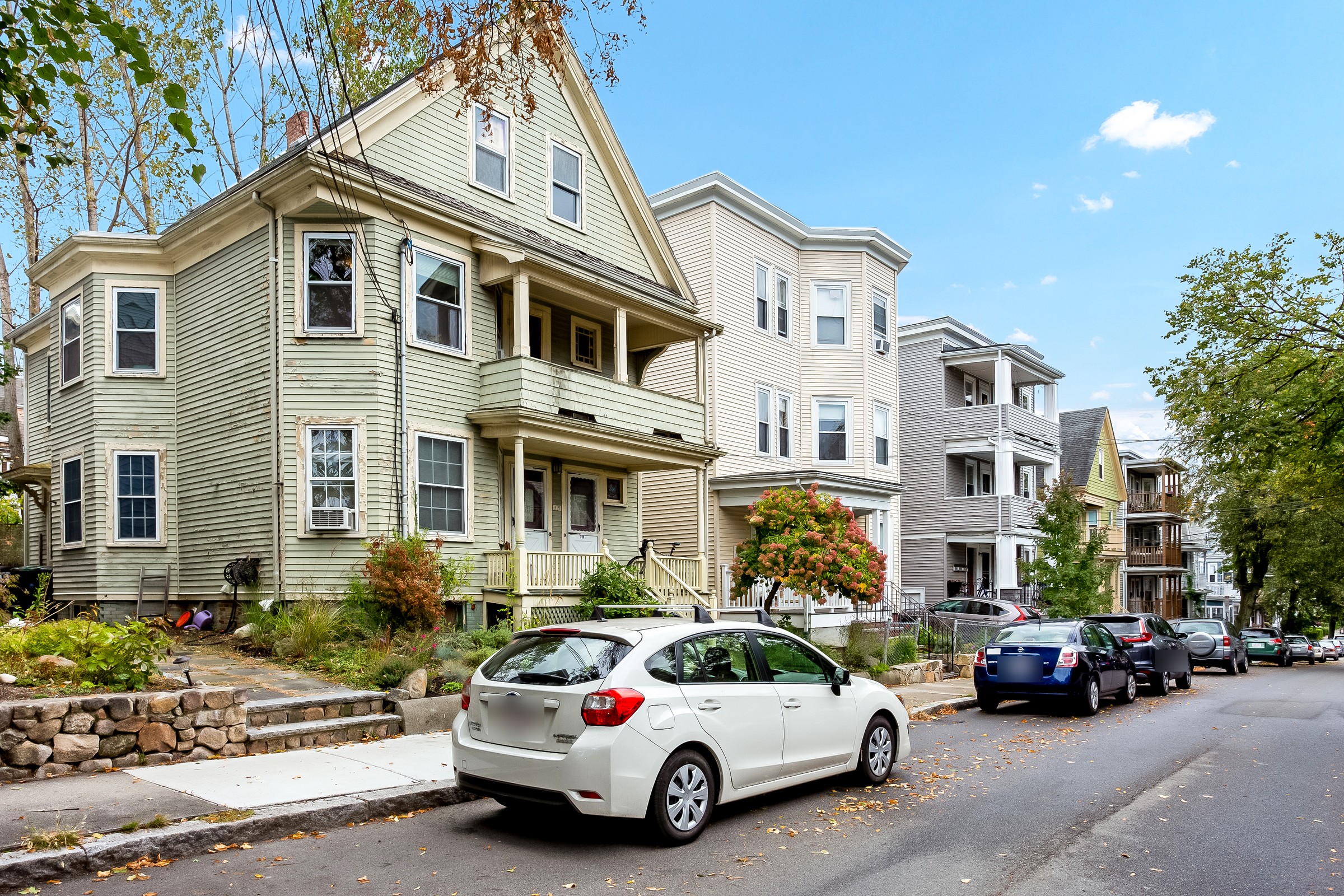
When you buy a condo, your lender is underwriting the building along with you. If the association does not meet Fannie Mae or Freddie Mac rules, the condo is "unwarrantable," and a standard conventional loan may be off the table.
We saw this recently with a buyer in a small Boston association. Their lender flagged the building before the Purchase and Sale Agreement was signed, which beats finding out with a mortgage contingency clock running. The rules also changed in 2026, with more coming in January 2027.
What does "warrantable" mean for a condo?
A condo is warrantable when the building and association meet Fannie Mae or Freddie Mac rules, so the lender can sell the loan to them after closing, as happens with most conventional mortgages.
Unwarrantable (Fannie Mae says "ineligible") does not mean the unit is unsafe or a bad purchase. It means the buyer needs other financing until the issue is fixed.
Why it matters if you are buying or selling
An unwarrantable building means fewer loan options for buyers and fewer buyers for sellers.
- Buyers: You may need a lender that keeps loans in-house, a larger down payment, or more time to close. If you are counting on a low down payment conventional loan, it can stop a purchase.
- Sellers: Cash and portfolio-financed buyers can still purchase, but many cannot. That can affect how long a unit sits and sometimes what it sells for.
What makes a condo building ineligible?
The most common problems are insurance, repairs, and lawsuits. Here are the main ones from Fannie Mae's Selling Guide section on ineligible condo projects:
- Insurance problems. The master policy falls short on coverage or deductible. As of August 2025, this was Fannie Mae's top reason for marking buildings ineligible.
- Critical repairs, such as significant deferred maintenance, water intrusion, a failed safety inspection, or unfunded repairs over $10,000 per unit due within 12 months.
- Special assessments tied to unfinished critical repairs.
- Pending litigation, especially about safety, structure, or habitability.
- Too much commercial space, meaning more than 35% of the building.
- One owner holding too many units: more than 2 units in an 11 to 20 unit building, or more than 20% in buildings with 21 or more units.
- Hotel-like or short-term rental operation through the association or management.
- Termination or insolvency, such as dissolving, deconverting, or bankruptcy (since September 30, 2025).
Under a full lender review, no more than 15% of units can be 60 or more days behind on fees, and the budget must fund reserves.
What changed in 2026?
Small buildings got easier, larger buildings got harder, and reserve rules are tightening. The changes come from Fannie Mae's Lender Letter LL-2026-03 and Freddie Mac's matching Bulletin 2026-C, both issued March 18, 2026.
- Buildings with 10 or fewer units can skip the building review. A 5 to 10 unit building cannot be part of a larger master association, and insurance requirements still apply. The waiver also does not apply if Fannie Mae has the building marked "Unavailable," the kind of flag our buyer ran into.
- The shortcut review is gone. For applications dated on or after August 3, 2026, Fannie Mae's Limited Review and Freddie Mac's Streamlined Review are retired, so larger buildings generally need a Full Review. About 40% of financed condo purchases had used the shortcut, per a Community Associations Institute estimate reported by CNBC.
- Reserves rise to 15% in January 2027. For applications dated on or after January 4, 2027, a Full Review budget must put at least 15% of annual fee income toward reserves, up from 10%.
- A few rules loosened. The 50% investor cap under Full Review is gone, roofs no longer need full replacement cost coverage, and since July 1, 2026, a per-unit master policy deductible can be up to $50,000. That matters here: a 2024 Boston Globe report found 43.2% of ineligible Massachusetts developments were flagged for deductible or insurance valuation issues.
Why this comes up so often in Greater Boston
Many Greater Boston condos are small, self-managed conversions: two-families and triple-deckers in Somerville, Dorchester, Jamaica Plain, Cambridge, and Medford turned into 2 or 3 unit associations. Buildings with 10 units or fewer skip the full project review, so they're often among the easiest condos to finance.
The lender still checks the master insurance policy, though, and a policy someone set up years ago may not meet today's requirements. It's also worth asking about deferred repairs and reserves for your own planning, even when the lender doesn't.
Our guide to buying a condo conversion in Somerville covers more of what to check.
How Fannie Mae's Condo Status Finder works
The free Condo Status Finder shows an association whether Fannie Mae has the building marked ineligible, and why. A few things to know:
- It is built for associations. Only board members, property managers, and authorized advisors can search, so buyers should ask the board, manager, or a lender.
- "No findings" is not an approval. It only means Fannie Mae does not currently have the building marked ineligible.
- "No project" is not a verdict. Fannie Mae just could not match the information entered.
- It is not the final word. Lenders still do their own review, and the tool does not cover Freddie Mac, FHA, or VA.
Unwarrantable is often fixable. Only 3.6% of buildings in Fannie Mae's records were ineligible as of August 2025.
What sellers and associations can do before listing
Check the building before a buyer's lender does, especially if the association is small or self-managed.
- Ask the board or manager to run the Condo Status Finder.
- Gather the condo documents: master deed, bylaws, budget, financials, reserve balance, board minutes, and any inspection reports.
- Review the master insurance policy with an insurance agent who works with condo associations.
- Line up the questionnaire. Many lenders send Fannie Mae's Form 1076 or their own version, so know which trustee will fill it out.
- Plan for known repairs and reserves. A funded plan for a roof or water issue helps, and larger associations should plan for the 15% minimum.
Massachusetts sellers also need a 6(d) certificate from the association showing condo fees are paid up, so know who signs it.
What buyers can do if a condo is unwarrantable
An unwarrantable building does not always mean walking away. Options depend on the issue, your finances, and the lender.
- Talk to a portfolio lender. Some banks and credit unions keep condo loans in-house and set their own rules, sometimes with more money down.
- Check FHA or VA separately. They have their own condo approvals. Search HUD's FHA-approved condo list and the VA condo report.
- Ask whether the issue is fixable and how fast. A deductible problem may be a quick insurance change. A lawsuit takes longer.
- Protect your timeline. Ask your lender to review the building early, and leave room in your mortgage contingency.
Ask your lender: Has this building been reviewed before? Does it qualify for a waiver? What do you need from the association?
How we approach condo financing questions
We look at the building early so condo issues do not surprise you mid-deal. The Santana Team has helped 1,600+ clients across Greater Boston. When we list a condo, we review the association and its insurance before a buyer's lender does. With buyers, we push for an early lender conversation about the specific building.
Only lenders and the agencies decide whether a building is warrantable. We help you ask the right questions, find lenders who handle condo reviews regularly, and build in time for surprises.
Frequently asked questions
Can a buyer or agent use the Condo Status Finder?
Generally, no. Fannie Mae built it for associations, their managers, and authorized advisors. Buyers and agents can ask the board, the manager, or a lender to check.
Does the new 15% reserve rule apply to my 3-unit association?
Usually not. The 15% minimum is a Full Review requirement, and most 2 to 10 unit associations that are not part of a larger master association qualify for a waiver of the building review instead. Individual lenders can still set their own rules, so it is worth asking.
Can an unwarrantable condo become warrantable again?
Yes. Once the issue is fixed, the association can send documentation to Fannie Mae through the Condo Status Finder or through a lender. Fannie Mae has updated more than 2,000 buildings since 2022 this way.
Is an unwarrantable condo a bad investment?
Not necessarily. It may be fine physically and financially and still fail a specific rule. But it can limit who can buy it later, so understand the reason before you commit.
Condo lending rules, insurance requirements, and lender policies can change over time and vary by lender and building. Information here reflects Fannie Mae and Freddie Mac guidance available as of November 2026, so confirm current requirements with your lender before making a decision.
Thinking about buying or selling a condo?
Selling a condo or looking at one? We are happy to help you think through the association, financing, and timing.

Santana Team
| Santana Team | Keller Williams Boston Northwest
or another way