

Categories
Home Buying TipsPublished November 19, 2026
Touring Luxury Homes in Winter: What Greater Boston Buyers Should Look For

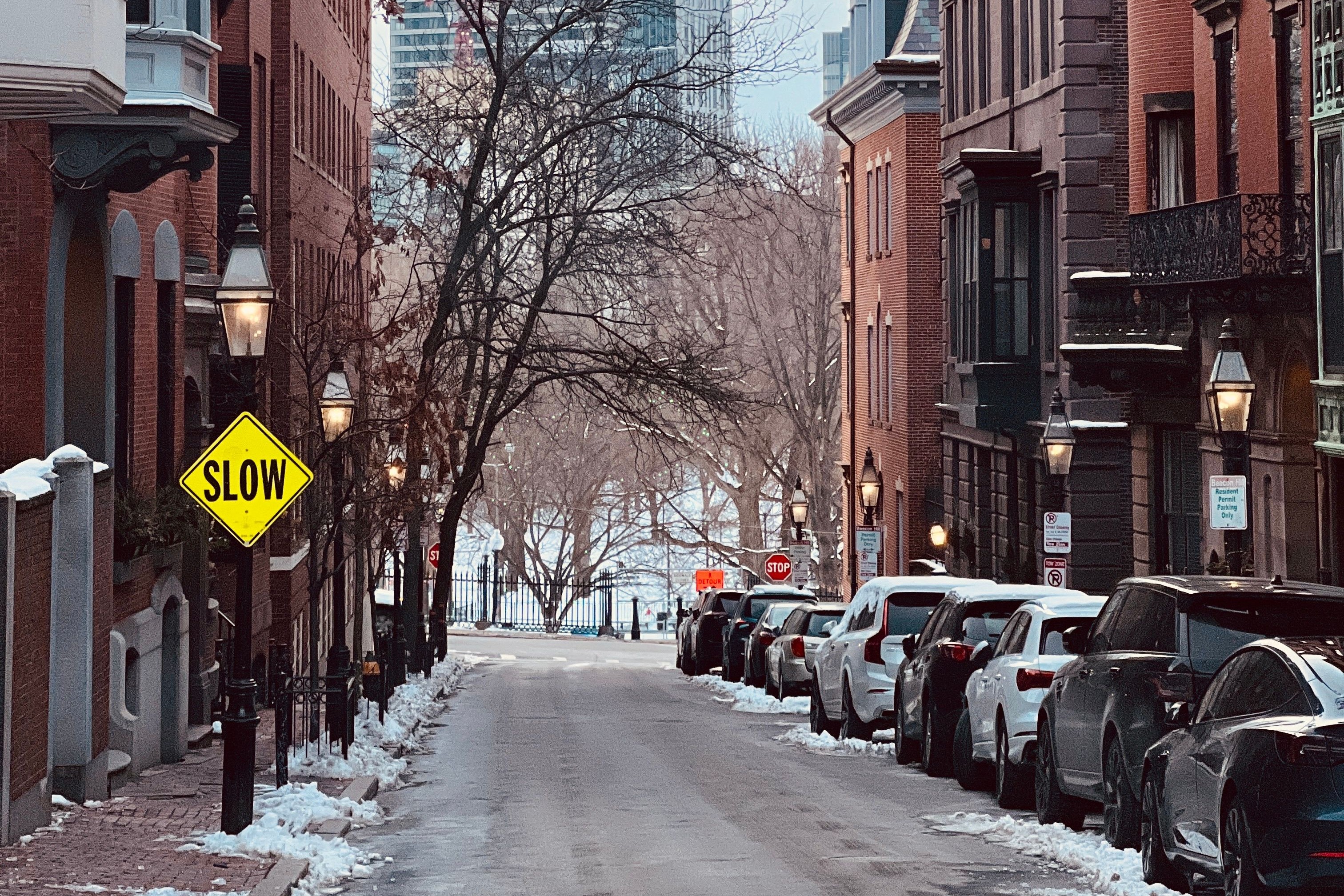
A June showing is easy to love. The windows are open, the lawn is green, and nobody is thinking about the boiler. A January showing is a different test. Snow sits on the roof, the heat has been running for weeks, and the driveway either works or it does not.
That is why we like winter tours for higher-end homes in Greater Boston. Most winter checklists apply to any house. A Weston estate, a Beacon Hill townhouse, or a West Cambridge colonial simply has more to check: more heating zones, more glass, more automation, and more upkeep handled by contractors instead of the owner. Here is what to look for between December and March.
The short version
- Look up at the roofline. Complex roofs with dormers, valleys, and skylights give ice more places to build up.
- Walk every heating zone, and ask how the systems are controlled and monitored.
- Stand near the large windows. Drafts and condensation show up in winter in a way they never do in May.
- Test the features you are paying for in the cold: radiant floors, snowmelt, heated garages, and the generator.
- Ask what has been winterized outside, and which service contracts keep the house running while you are away.
Start at the Roof: Icicles and Ice Dams
Before you go inside, step back and look at the roofline. According to Massachusetts guidance on ice dams, they usually form when heat leaking into the attic warms the roof deck, melts the snow above it, and the water refreezes at the colder edge of the roof. That ridge of ice can trap more water and push it under the shingles.
A few icicles are normal in a New England winter. A thick band of ice along the eaves is worth a question. Inside, check ceilings and the tops of walls under those spots for stains, bubbling paint, or fresh patching.
Larger homes with several rooflines, dormers, skylights, and finished attic space have more places for heat to escape, so ask the sellers whether the home has had ice dam problems, whether heat cables or roof-edge snowmelt are installed, and when the attic insulation and air sealing were last addressed. If the roof is slate or copper, have it looked at by a roofer who works with those materials.
Heating: Walk Every Zone
Higher-end homes in Greater Boston often run more than one system. You might find a gas or oil boiler feeding radiators in the original house, forced air in an addition, radiant floors in a renovated primary bath, and ductless heat pumps in a finished attic. Each one deserves a look.
Walk the whole house slowly. Notice rooms that feel cooler than the rest, especially over garages, in sunrooms, and at the far end of additions. Ask how it is all controlled, too. Larger homes often run smart thermostats or a central home automation system, so find out who services it, whether it can be monitored remotely, and whether the accounts transfer at closing.
Then ask for the paperwork:
- The age and fuel type of each system, plus recent service records
- A year of utility bills, so winter costs are a known number rather than a guess
- Whether there is a whole-house generator, what it powers, and when it was last serviced
Drafts, Windows, and Big Glass
Walls of glass look great in photos. In February, they tell you whether the windows were well made and well installed. Stand near large windows and exterior doors for a minute. Feel for moving air, and look for condensation or frost on the inside of the glass.
In historic districts, window questions carry extra weight. On Beacon Hill and in Back Bay, exterior changes such as windows go through architectural commission review when they are visible from the street, so replacing drafty originals is not always a quick decision. Our Back Bay brownstone guide explains how that review works.
Follow the Meltwater
Snow is a free drainage test. On a sunny afternoon after a storm, watch where meltwater goes. It should move away from the foundation, not pool at the back steps or run toward a basement window well.
Check that gutters and downspouts are clear and that downspouts discharge away from the house. If the home has a sump pump, ask how often it runs in winter and whether it has battery backup.
Test the Features You Are Paying For
Higher-end homes often include systems that only prove themselves in the cold. Radiant floors, heated driveways and walkways, roof-edge snowmelt, heated garages, steam showers, and climate-controlled wine rooms are all easier to judge in January than in July.
Ask to see each one run, and ask for service records. If there is an indoor pool or spa, notice how the room handles humidity. Fogged windows, peeling paint, or a musty smell can point to a dehumidification system that is not keeping up. If there is a home elevator, ask when it was last serviced.
Check What Has Been Winterized Outside
Pools, spas, outdoor kitchens, irrigation, fountains, and landscape lighting all need attention before a freeze. Ask whether they were winterized, by whom, and whether the same company opens them in the spring. A cracked fountain basin or an outdoor faucet left on is worth a question.
Who Runs the House in Winter
Long driveways, stone walls, and wooded lots are part of what buyers love about towns like Weston and Wellesley. Homes like these usually run on a set of service contracts: plowing and snowmelt, generator maintenance, heating and cooling service plans, security monitoring, and sometimes a property manager or caretaker who checks on the house when the owners travel. Ask which contracts are in place, what they cost, and whether they will transfer. If you travel often, ask about remote alerts for low indoor temperatures, water leaks, and power outages, since a frozen pipe in an empty house can do real damage before anyone notices.
Questions Worth Asking on Every Winter Tour
- Has the home had ice dams, roof leaks, or frozen pipes, and what was repaired?
- What are the average winter heating costs?
- Which service contracts are in place, and which will transfer?
- Has there ever been water in the basement, and what was done about it?
- Which systems were updated, when, and with permits?
The answers also shape your inspection, including whether to bring in a roofer, heating contractor, or drainage specialist.
How We Help Buyers Tour in Winter
The Santana Team has helped 1,700+ clients buy and sell homes across Greater Boston. When we tour with buyers in the colder months, we look past the staging to the roofline, the mechanicals, the specialty systems, and the service history, and we help you decide what is normal for the age of the house and what deserves a specialist.
Planning to tour higher-end homes this winter? We can help you build a short list and walk through each one with you.
Home systems, service contracts, and local requirements vary by property and can change, so confirm details with the sellers, your inspector, and qualified specialists before making a decision.

Santana Team
| Santana Team | Keller Williams Boston Northwest
or another way