


Categories
Home Buying TipsPublished November 24, 2026
Are Boston Luxury Condo Amenities Worth the Fees?

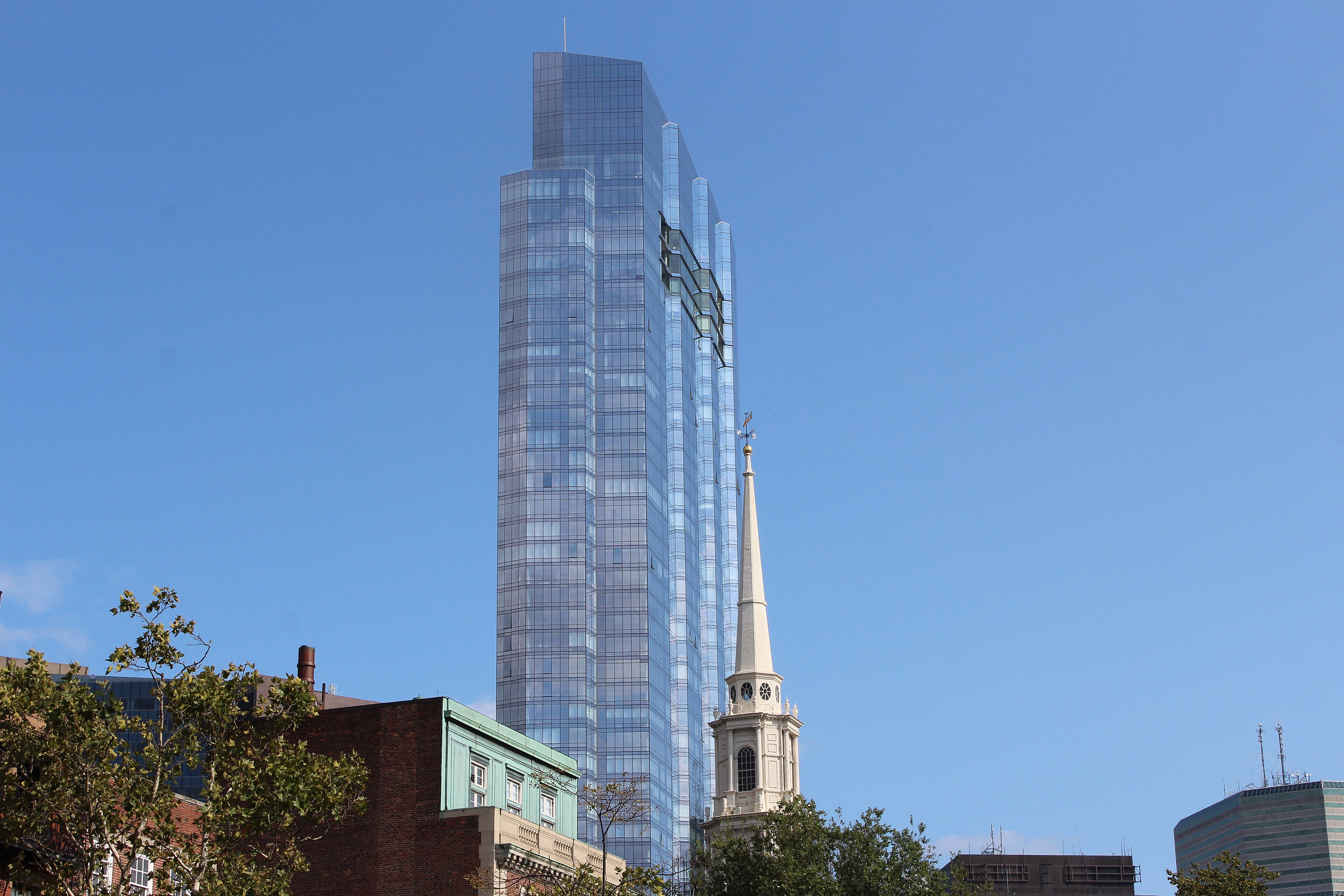
Amenity tours are designed to impress. A lap pool under tall windows, a lobby desk staffed around the clock, a valet who knows your car. Then you see the monthly fee, and the real question starts: is this worth it for the way you live?
There is no single answer. In some full-service Boston buildings, the fee is the price of a lock-and-leave life that fits perfectly. In others, owners pay every month for a pool they never use. Here is how we help buyers sort out what the fee actually buys and how to judge whether it is good value.
The short version
- Most of a full-service fee pays for people and building systems, not the pool itself.
- Some services are included, and some are billed separately. Ask for the list in writing.
- Reserves matter as much as the fee. A low fee with thin reserves can cost more later.
- Judge value by what you would actually use and pay for elsewhere, and by how the fee affects resale.
How Big Is the Gap, Really?
When we pulled MLS PIN sales for our Back Bay Brownstone vs. Full-Service Luxury Condo comparison, full-service buildings in Back Bay ran a median of about $2.39 per square foot per month in condo fees. That ranged from about $1.35 at The Clarendon to about $3.16 at One Dalton. Smaller brownstone associations ran closer to $0.56 per square foot.
On the same size home, a full-service building can cost several times as much each month. Whether that is a fair trade depends on what the extra money is doing.
What the Monthly Fee Usually Covers
Every building's budget is different, but in a full-service Boston building the fee typically supports some mix of:
- Staff wages for the front desk, concierge, doormen, valet, engineers, and porters
- Professional management
- The master insurance policy for the building
- Elevators, mechanical systems, cleaning, and common-area utilities
- Amenity upkeep, from gym equipment to pool maintenance
- Contributions to the reserve fund for future repairs
In some buildings, heat, hot water, or other utilities are in the fee too. In others, they are separate. That one detail can change how two fees compare, so check the budget line by line.
Amenity by Amenity: What to Look For
Concierge and front desk
Staffing is often the biggest piece of the fee, since round-the-clock coverage takes several people per post. Ask about hours and how packages are handled. If you travel often or split time between homes, a staffed desk may be the amenity you use most.
Fitness center
Look at the equipment and how crowded it is when you would actually work out. Ask whether classes or trainers cost extra.
Pool and spa
Pools are among the most involved amenities to run. Millennium Tower's two-level Club, for example, is marketed at about 23,000 square feet and includes a 75-foot indoor lap pool. At One Dalton, residents use the Four Seasons hotel's pool and spa floor, which means sharing it with hotel guests. Ask who else has access, the hours, and whether any part of it is reserved or billed.
Parking and valet
Parking is where many surprises live. A space might be deeded, leased, waitlisted, or not available at all, and valet may be included or charged separately. Ask exactly what transfers with the unit and what it costs each month.
Hotel-style services
Branded buildings often list services such as in-residence dining, housekeeping, and grocery stocking. One Dalton describes many of these as a la carte services provided as requested. That is useful to know, because the service exists, but using it adds to your monthly cost.
Reserve Funds: The Part of the Fee You Do Not See
Part of every healthy fee goes into reserves for big future projects such as roofs, facades, elevators, and mechanical systems. When reserves are thin, owners can face a special assessment, which is a one-time bill to cover a shortfall.
Lenders pay attention to this. Fannie Mae's current Selling Guide asks lenders on a full project review to confirm that a condo budget funds replacement reserves of at least 10 percent of budgeted assessment income. For loan applications dated on or after January 4, 2027, Fannie Mae is raising that minimum to 15 percent. Buildings that fall short can face financing questions, which affects buyers and resale. Our guide to condo warrantability in Greater Boston covers that in more depth.
One more Massachusetts detail. Before closing, you will receive a 6(d) certificate showing whether the seller's common charges are paid. It does not tell you whether the association is financially healthy, so it does not replace reading the budget, reserve study, and minutes.
How to Judge Whether the Fee Is Worth It
We usually walk buyers through four checks.
What would you use? Make an honest list. If you would use the gym four days a week, the garage every day, and the front desk for deliveries, those have real value. A screening room you might use twice a year does not.
What would it cost elsewhere? Compare the fee with what you would pay separately for a gym membership, a garage space nearby, package handling, and building maintenance you would otherwise manage yourself.
How does it compare per square foot? Convert the fee to a monthly cost per square foot and compare it with similar buildings. That makes a large unit in one building and a smaller unit in another easier to weigh.
How will it affect resale? Future buyers will look at the same fee. A building with a strong reputation, healthy reserves, and steady fees tends to hold appeal. Sharp fee increases or large pending projects can slow a sale for a while.
Questions to Ask Before You Commit
- What exactly does the fee cover, and what is billed separately?
- How have fees changed over the last several years, and what increases are planned?
- How much is in reserves, and when was the last reserve study?
- Are any special assessments, major projects, or lawsuits pending?
- Is parking deeded, leased, or waitlisted, and what does it cost?
- What are the rules on renovations, pets, and leasing?
Read the master deed, bylaws, rules, current budget, and recent meeting minutes. Minutes are often where you learn what a building is really planning. For a side-by-side look at three well-known towers, see our comparison of One Dalton, Millennium Tower, and Echelon Seaport.
How We Help
The Santana Team has completed more than 1,700 closings since 2014 across Greater Boston, including condos in full-service buildings and small associations. When buyers are weighing amenities against fees, we review the budget, reserves, parking rights, and recent sales with you, so the decision rests on more than the tour.
Comparing full-service buildings in Boston? We can line up the documents and numbers side by side.
Condo fees, amenities, services, and lender requirements change over time and vary by building and unit. Fee figures are from MLS PIN closed sales from December 2025 through October 2026. Confirm current information with the building's documents and your lender before making a decision.
Sources
- Santana Team, Back Bay Brownstone vs. Full-Service Luxury Condo (MLS PIN fee per square foot: full-service median about $2.39, The Clarendon about $1.35, One Dalton about $3.16, small brownstone associations about $0.56; closed sales Dec 2025 to Oct 2026)
- Millennium Tower Boston, The Club (two levels, 23,000 sq. ft.; 75-foot indoor lap pool)
- One Dalton, Services (a la carte services provided as requested; Four Seasons manages residents' amenities)
- Santana Team, One Dalton vs. Millennium Tower vs. Echelon Seaport (One Dalton residents use the hotel's pool and wellness floor, shared with hotel guests)
- Fannie Mae Selling Guide B4-2.2-02, Full Review Process (10% replacement reserve allocation)
- Fannie Mae, Supporting Resilient Condo Ownership (minimum reserve rises from 10% to 15% of annual budgeted assessment income beginning Jan 4, 2027)
- Massachusetts General Laws Chapter 183A, Section 6(d) (statement of unpaid common expenses)
Hero photo: Sathiya raj, CC BY-SA 4.0, via Wikimedia Commons

Santana Team
| Santana Team | Keller Williams Boston Northwest
or another way